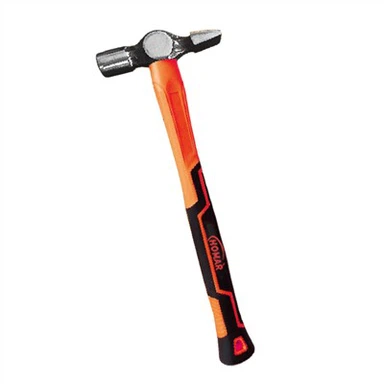
HOMAR manual hardware tool test standard
Apr 03, 2023
HOMAR manual hardware tool test standard
1. Appearance detection: including whether the tool surface is smooth, no obvious scratches, pitting and sag, etc.; Whether the coating is uniform, no shedding phenomenon; Whether the handle is firm, no cracks and deformation.
2. Size detection: the dimensions of each component should meet the standards, drawings or production requirements, such as the width of the cutting edge of the tool, the spacing of the file, the depth of the teeth, etc.
3. Functional detection: Test whether the tool works normally through actual use, and check whether there is wear and tear of wearing parts.
4. Material testing: Check whether the components are made of correct materials, such as high-quality steel and alloy materials.
5. Durability test: check the service life and durability of tools.
6. Safety testing: The design of tools shall meet the safety requirements, and necessary safety measures shall be taken, such as protective cover and protective cover.
Process:
1. Prepare testing tools and related testing devices.
2. Check the appearance and size of each tool.
3. Function testing and durability testing, including service life, strength, toughness, etc.
4. Conduct material testing, including metal material composition analysis, steel wire material hardness test, etc.
5. Carry out safety testing, including whether the handle is firm, whether the cutting edge is sharp, whether the tool has unnecessary safety risks, etc.
6. Classify and describe the tools with problems, and make suggestions for improvement or replacement.
7. Complete the test report, including tool name, model, specification, test time, test result and other information.